
In rural communities, women drive change every day, often quietly but with a powerful impact. Their dedication sustains families, strengthens communities, and shapes people's lives in many lasting ways. Rural women deserve recognition and celebration not only for their hard work, but also for the hope, resilience, and progress they bring.
This year, as the world commemorates the International Day of Rural Women and the International Day for the Eradication of Poverty, we do so amidst increasing challenges, the deepening impact of climate change, shifts in international funding, and the growing pressure to feed an expanding global population.
According to the UN Women 2025 Report, “female extreme poverty has remained around 10% since 2020.If current trends persist, over 351 million women and girls could still live in extreme poverty by 2030. However, accelerating Sustainable Development Goal (SDG) implementation could reduce global female extreme poverty from 9.2% in 2025 to just 2.7% by 2050.”
Rural women are the backbone of the global food system, serving as guardians of the land and playing a vital role in sustaining families and local economies. Yet they often have limited access to land, resources, and decision-making power. Despite these inequalities, they continue to lead as agents of change, demonstrating remarkable commitment and resilience in the face of adversity.
When rural women are supported and included, communities thrive and progress becomes possible—not just morally, but sustainably. When women have access to tools, training, and resources, they become powerful changemakers who strengthen their families, transform their communities, and build more resilient societies.
Humana People to People, together with its members, recognises that gender equity and inclusivity are central to reducing poverty and advancing sustainable development. Across all programmes, empowering women, especially in agriculture, remains a priority. Our approach begins and ends with people: By connecting people directly, the people-to-people turns development into a collective journey, led by the people themselves. (Discover more in our Gender Capacity Statement)
In Zimbabwe, as in many countries, rural women face the combined challenges of poverty, climate change, and limited access to opportunity. For over 44 years, Development Aid from People to People (DAPP) Zimbabwe, a member of Humana People to People, has complemented government efforts by supporting individuals and communities to drive their own development. Through inclusive participation, DAPP Zimbabwe continues to create lasting, meaningful progress in rural communities.
One example is the Farmers’ Clubs Chivi Project in Masvingo District, a semi-arid region prone to drought. The project supports 1,500 smallholder farmers, organised into clubs of 50 members each, to build climate-resilient livelihoods and sustainable ecosystems. Through conservation agriculture and environmental stewardship, farmers enhance their income, food security, and nutrition security while reducing land degradation and biodiversity loss. (Watch the Farmers’ Clubs Chivi film to learn more.)
Across the globe, the Farmers’ Clubs approach is strengthening rural communities and improving livelihoods. Built on a powerful and scalable structure, the Clubs integrate food production, financial literacy, collective learning, and gender equality into a dynamic model that truly works.
In 2025, Farmers’ Clubs were active in 12 countries across Africa, Asia, and Latin America, supporting over 152,000 smallholder farmers to adopt sustainable agricultural practices. What makes the model exceptional is its commitment to placing rural women at the heart of change—strengthening their voices, expanding their economic opportunities, and leadership roles.
Therefore, as we mark the International Day of Rural Women and the International Day for the Eradication of Poverty, we do so in the same spirit and with a shared purpose.


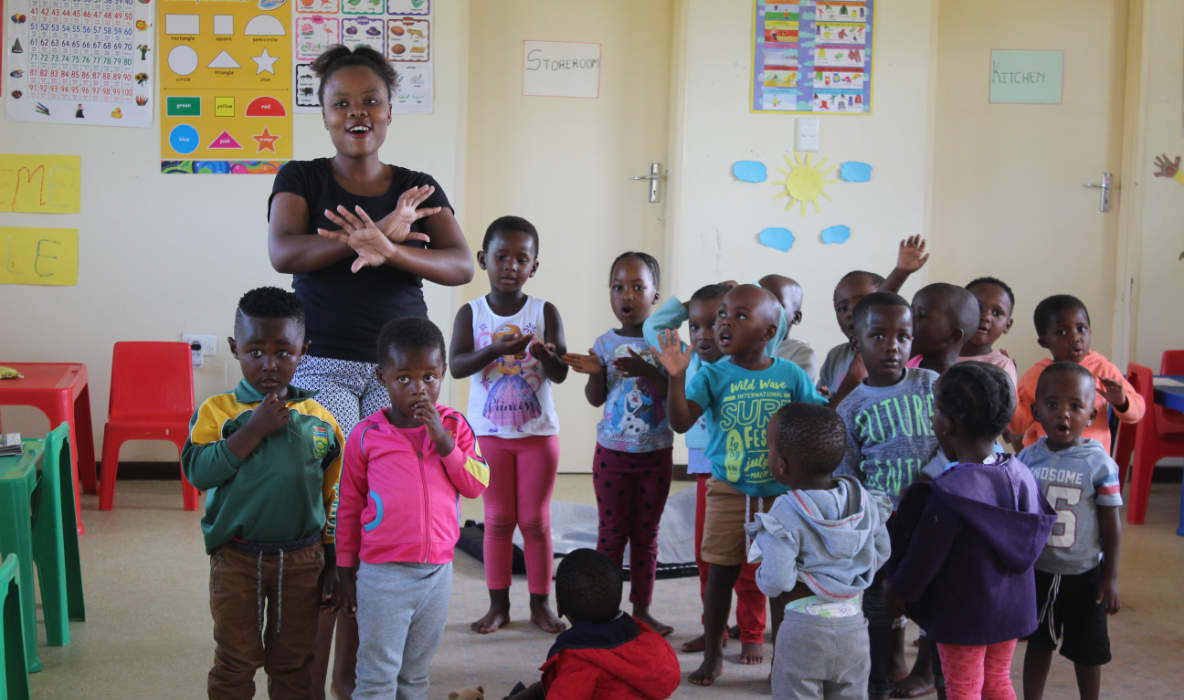
For over 30 years, Humana People to People in South Africa (HPPSA) has been a driving force for positive change. Established in 1995. We have worked tirelessly to tackle the most pressing challenges faced by underprivileged communities and we are a proud member of the international Humana People to People Movement. Our journey began in Soweto, and today, our work aligns directly with the Sustainable Development Goals (SDGs) and South Africa's National Development Plan (NDP). Our mission is clear: our mission is to empower communities and their people.
Thank you for considering a donation to HPPSA in support of our work in South Africa.
Please take a moment to read our Donations Policy Then, enter your desired amount below and click on the Donate button to proceed.
Enter an amount