
Theme: “Driven to End Malaria: Now We Can. Now We Must.”
Acknowledgement of all Provincial MEC and the entire Leadership, Local leaderships in the area and All the Protocols Observed.
Today, on World Malaria Day, I am proud to stand with our partners, foot soldiers as in Community Health Workers, and the communities we serve across malaria‑affected areas in Mpumalanga Province and South Africa.
At Humana People to People in South Africa, we have always believed that malaria is not only a medical challenge rather, but also a community challenge. From the border areas of Nkomazi and rural Mpumalanga to our cross‑border work in the SADC region, we have seen that when communities are informed, organised, and supported, malaria can be eliminated.
I would like to begin by expressing my sincere appreciation to LSDI2 and the Department of Health - Government of South Africa for their strong, deliberate, and strategic partnership. Your leadership and commitment have been instrumental in advancing community‑centred malaria interventions and strengthening national elimination efforts.
I extend special thanks to the Department of Health for its outstanding leadership, technical guidance, motivation, and seamless linkages with national and provincial systems. Your collaboration with implementing partners has been instrumental in strengthening surveillance, treatment, and referral pathway ultimately contributing to the saving of millions of lives across malaria‑affected communities.
On behalf of HPPSA, I also extend our heartfelt thanks to our public and private sector partnerships, the Bill & Melinda Gates Foundation, Goodbye Malaria – Nandos, and the Global Fund. Your support, collaboration, and shared vision continue to translate into real impact where it matters most at community and household level.
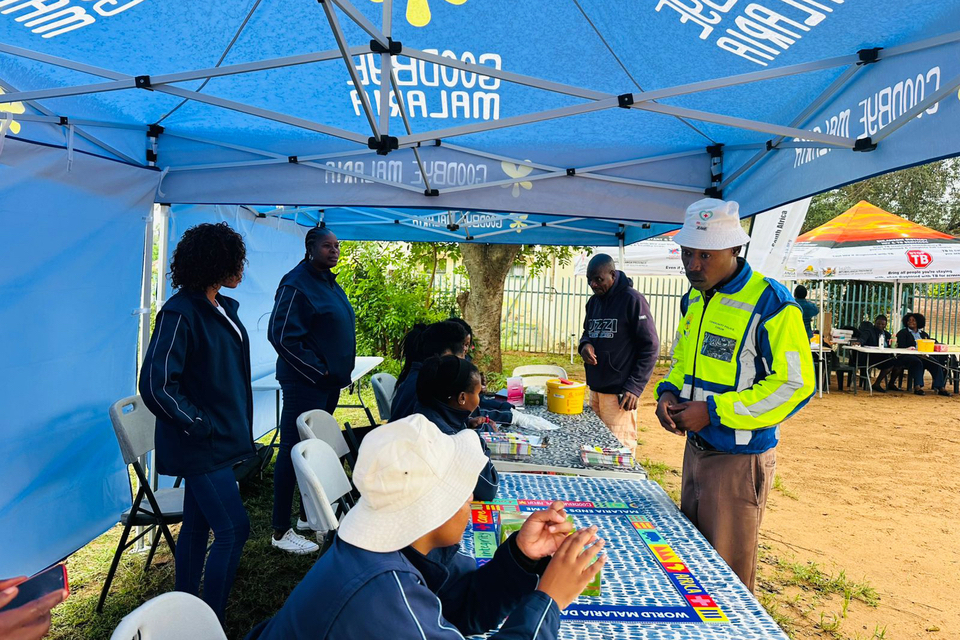 Despite being preventable and treatable, malaria still affects the most vulnerable. Our commitment remains clear:
As we celebrate World Malaria Day and Looking ahead, I want to emphasise the importance of strengthening cross‑border collaboration under the MOSASWA initiative. Malaria does not respect borders, and our response must be equally borderless. Continued coordination between Mozambique, South Africa, and Eswatini is critical if we are to interrupt transmission and achieve lasting regional elimination.
The progress we celebrate today is proof that collective action works but our mission is not yet complete. Climate change, population movement, and resistance remind us that we must stay focused and united.
To our partners, our field teams, the Province, District Health teams, and the communities we work alongside we say thank you!! Your dedication and resilience drive this movement and work forward.
Ending malaria is not just an aspiration.
Now we can. Now we must. Together, we will achieve a malaria‑free future.

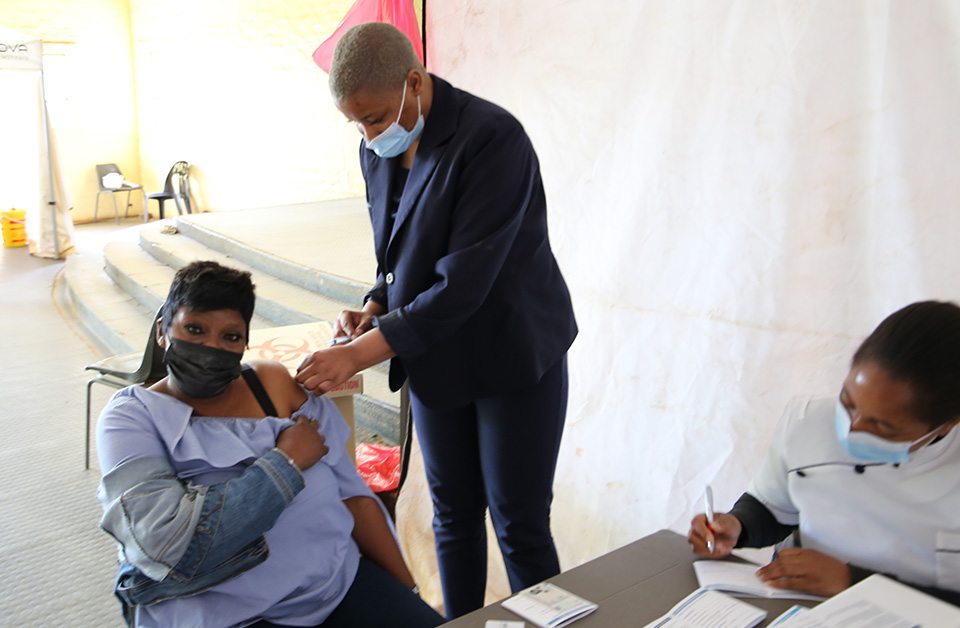
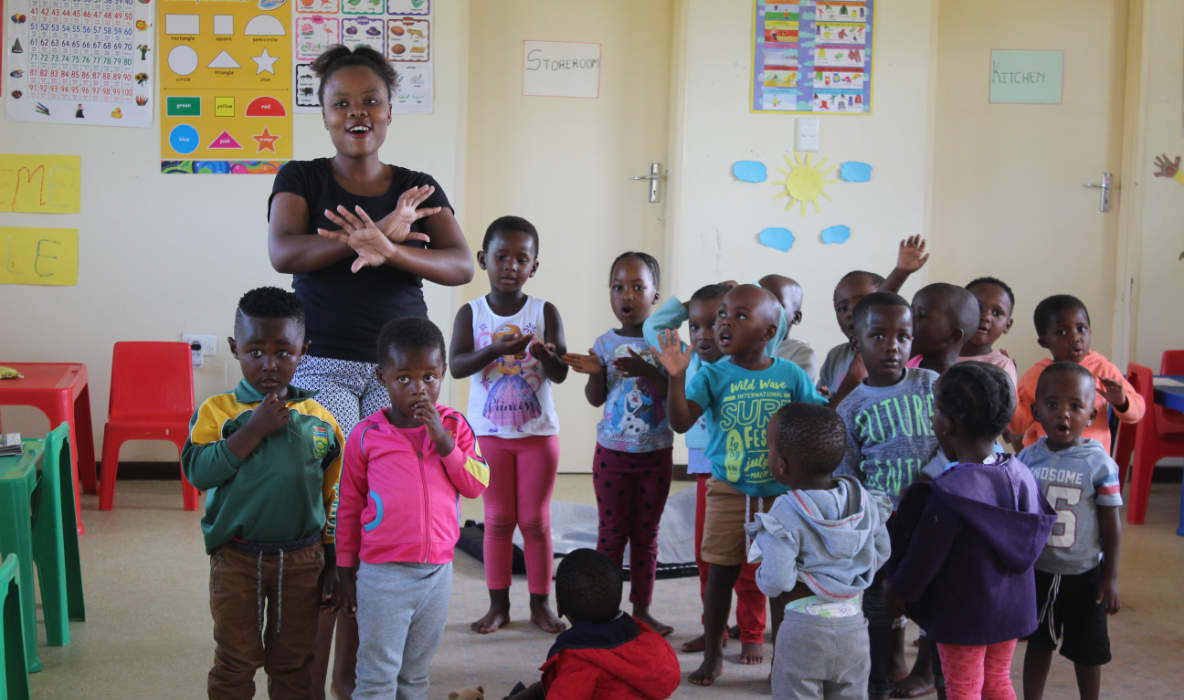
For over 30 years, Humana People to People in South Africa (HPPSA) has been a driving force for positive change. Established in 1995. We have worked tirelessly to tackle the most pressing challenges faced by underprivileged communities and we are a proud member of the international Humana People to People Movement. Our journey began in Soweto, and today, our work aligns directly with the Sustainable Development Goals (SDGs) and South Africa's National Development Plan (NDP). Our mission is clear: our mission is to empower communities and their people.
Thank you for considering a donation to HPPSA in support of our work in South Africa.
Please take a moment to read our Donations Policy Then, enter your desired amount below and click on the Donate button to proceed.
Enter an amount