
Ending AIDS as a public health threat by 2030 remains within reach, but only if access to resources becomes real for everyone, everywhere. World AIDS Day 2026 theme is access. Humana People to People acknowledges the importance of access to services, rights and political leadership for people living with HIV.
Since 2000, our members have pioneered the Total Control of the Epidemic (TCE) model. By mobilising local people to drive their own health, this community-led model has engaged more than 29 million people over 25 years to access HIV prevention information and make informed decisions. Through these efforts, TCE has contributed towards controlling the spread of HIV in Angola, Botswana, China, DRC, Guinea-Bissau, India, Malawi, Mozambique, Namibia, South Africa, Zambia, and Zimbabwe.
The world has the tools to end AIDS: life-saving treatment, effective prevention methods, new technologies, and the knowledge to deliver these services. But having these solutions is not the same as ensuring that people who need them benefit. Millions of people still face barriers to accessing HIV services, including stigma and declining funding, which continue to stand in their way.
New long-acting HIV prevention technologies combined with treatment and other prevention choices have strengthened the prospects of ending AIDS as a public health threat by 2030, which still remains elusive. Despite increased generic manufacturing, access for those who would benefit remains a challenge. Availability alone does not guarantee access.
According to UNAIDS, the past 30 years have seen progress in fighting HIV: 32.1 million people enrolled on life-saving treatment, and prevention now includes an effective injection needed only twice a year. Yet challenges remain. In 2025, 1.2 million people acquired HIV, 570,000 died of AIDS-related causes, 10.6 million people had unsuppressed viral loads, and nearly 9 million people living with HIV still had no access to treatment. The gap is no longer what medicine can do. It is who can access it, and who is allowed and supported to do so. Science only saves lives when it reaches people.
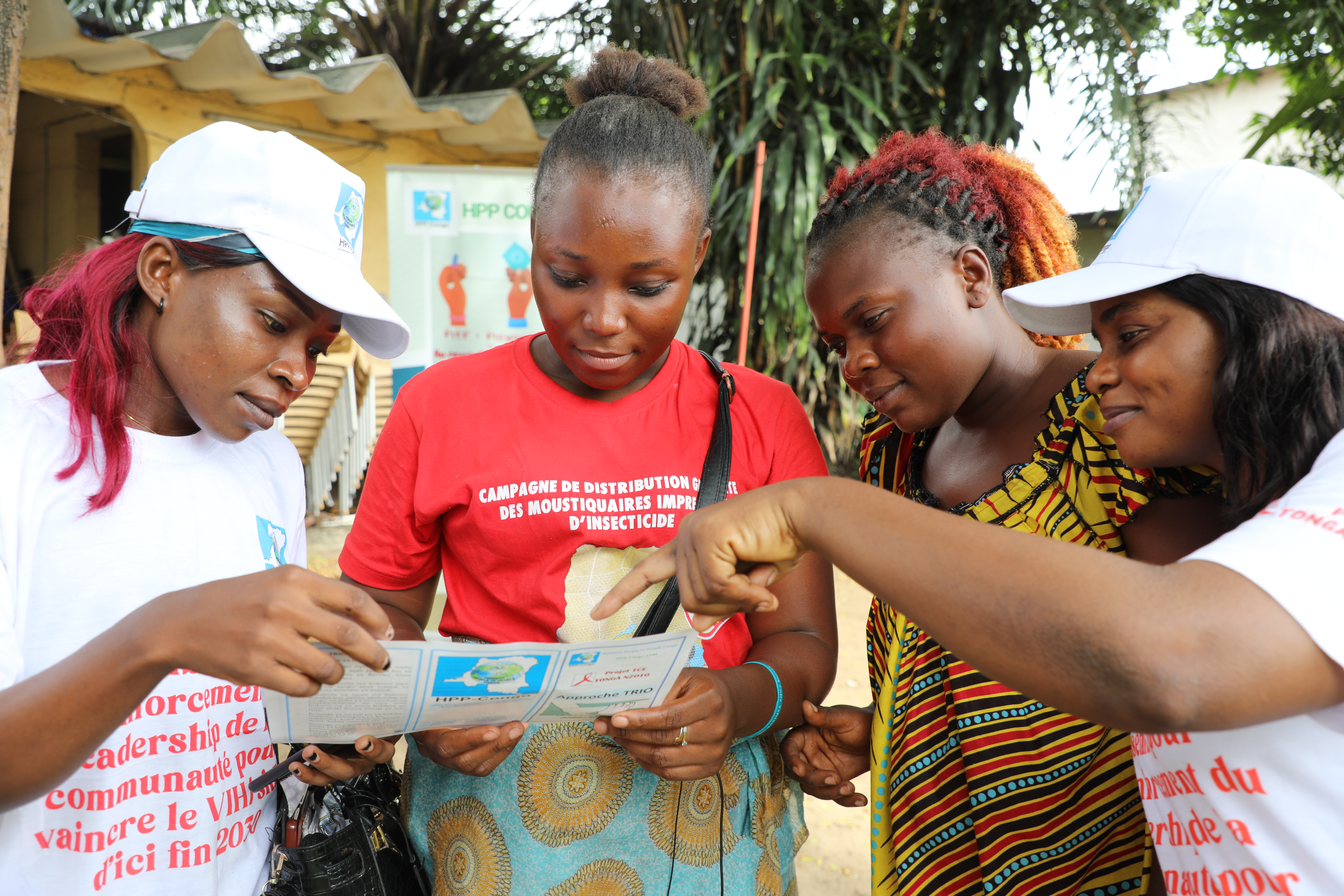
At Humana People to People, we recognise that stigma and discrimination drive people into the shadows, delay testing, and stop treatment adherence. Through our TCE programme and TRIO support groups, we are working on the ground to strengthen access to HIV services.Our members, wherever they are, work closely with the communities and people most affected to build the capacity and structures needed to end HIV the people-to-people way.Watch a newly developed video from DAPP Zimbabwe’s HOPE Bindura project showcasing how people living with HIV are gaining confidence and becoming role models supporting youth to avoid HIV risk behaviours.
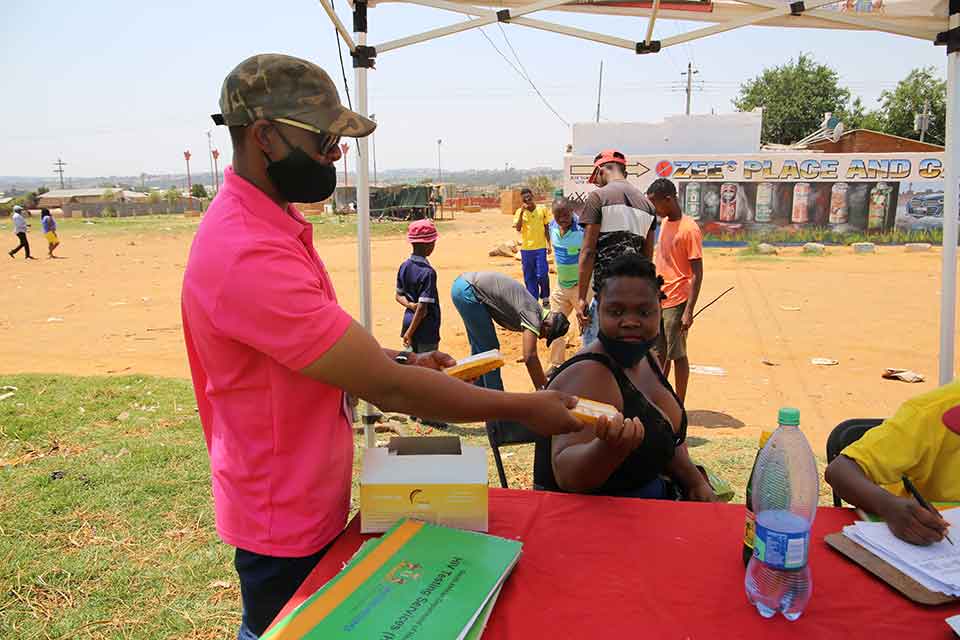
Our TCE programme breaks financial barriers by eliminating out-of-pocket costs that prevent exposed families from accessing life-saving health support and staying consistently on treatment. TCE brings testing directly to where people live and bridges the gap between individuals and their nearest health facility. Thus, we build community support structures through TRIOs, which strengthen the participation of close family members to help individuals living with HIV stick to a treatment regimen and sustain viral load suppression.
For 25 years, TCE has shown that community engagement can drive national-scale outcomes. In Zambia, 15,619 people living with HIV were identified in the year 2025, with 99% linked to ART. Watch a DAPP Zambia film on how the TRIO works. TCE Field Officers visit people living with HIV who have fallen out of treatment to reengage them and assist them to form TRIOs. They help ensure people get their viral load tests and adopt healthier lifestyles.
In Namibia, DAPP Namibia’s TCE programme works closely with the Ministry of Health and Social Services to deliver community-level HIV and TB prevention, testing, treatment, and retention in treatment. In 2025, the TCE programme contributed to over 6,200 children born to mothers living with HIV being confirmed HIV-negative at 18 months after receiving prevention of mother-to-child transmission support from DAPP Community Health Workers, with a >99% success rate.
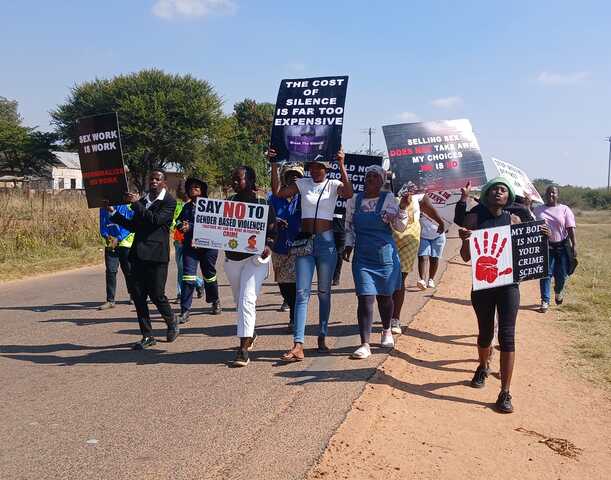
Humana People to People South Africa’s Phila Nathi programme brings respectful HIV, TB and sexual health services to sex workers and clients in rural Limpopo, meeting them in streets, homes, brothels, truck stops and taverns. It connects them with public healthcare, social services and police.
Phila Nathi has reached 16,026 sex workers, screening for TB and sexually transmitted infections. 6,843 HIV tests were conducted, and 1,585 sex workers accessed PrEP therapy.


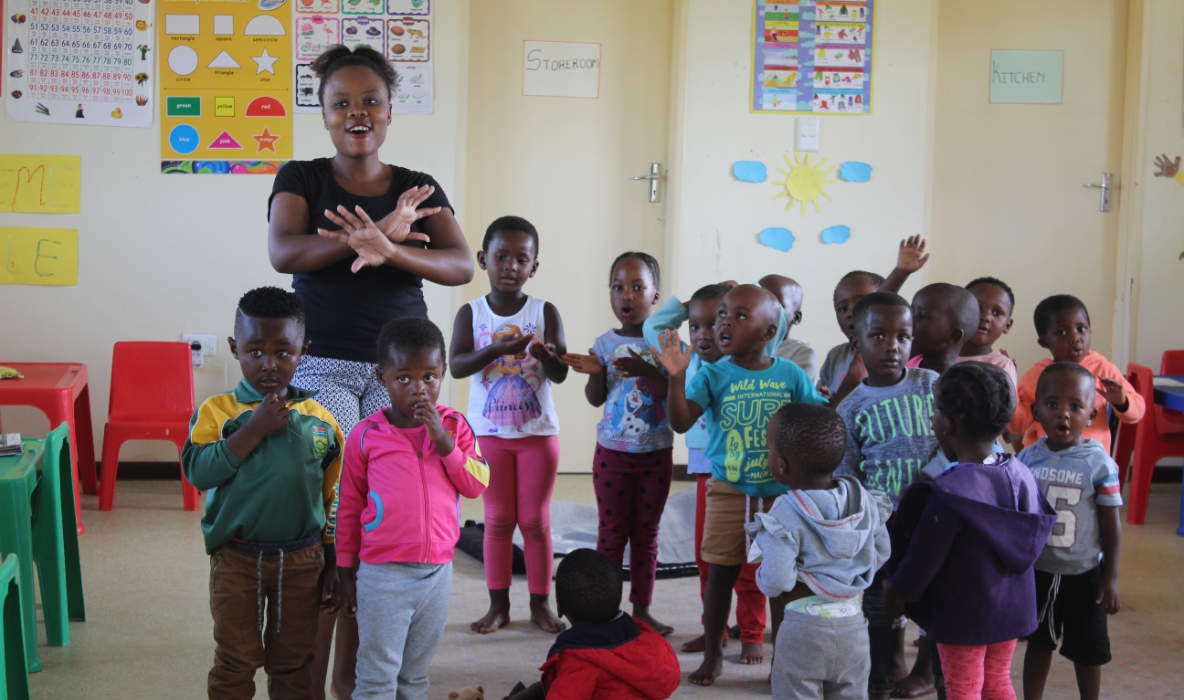
For over 30 years, Humana People to People in South Africa (HPPSA) has been a driving force for positive change. Established in 1995. We have worked tirelessly to tackle the most pressing challenges faced by underprivileged communities and we are a proud member of the international Humana People to People Movement. Our journey began in Soweto, and today, our work aligns directly with the Sustainable Development Goals (SDGs) and South Africa's National Development Plan (NDP). Our mission is clear: our mission is to empower communities and their people.
Thank you for considering a donation to HPPSA in support of our work in South Africa.
Please take a moment to read our Donations Policy Then, enter your desired amount below and click on the Donate button to proceed.
Enter an amount