
This 24 March, World Tuberculosis (TB) Day, we are reminded that TB is both preventable and curable, yet it continues to devastate the most vulnerable. People living with HIV, those suffering from malnutrition, and families struggling under the impacts of climate change are still dying from a disease that should no longer claim lives.
Recent floods in Mozambique have been unprecedented in parts of the country, destroying entire harvests, washing away homes, and making travel to health clinics nearly impossible. Imagine a subsistence farmer whose entire crop is gone. He has little to eat and cannot reach the clinic to collect his TB medication. TB continues to take lives precisely because these struggles are invisible unless communities can speak up and be heard.
TB is more than a disease of the lungs. It isolates, stigmatises, and threatens the survival of entire families. In the Marracuene and Matola districts, drug-resistant TB and stock-outs of essential medicines have been persistent challenges. Families struggle to support loved ones through long, complex treatment regimens while facing fear, stigma, and daily hardships intensified by climate shocks.
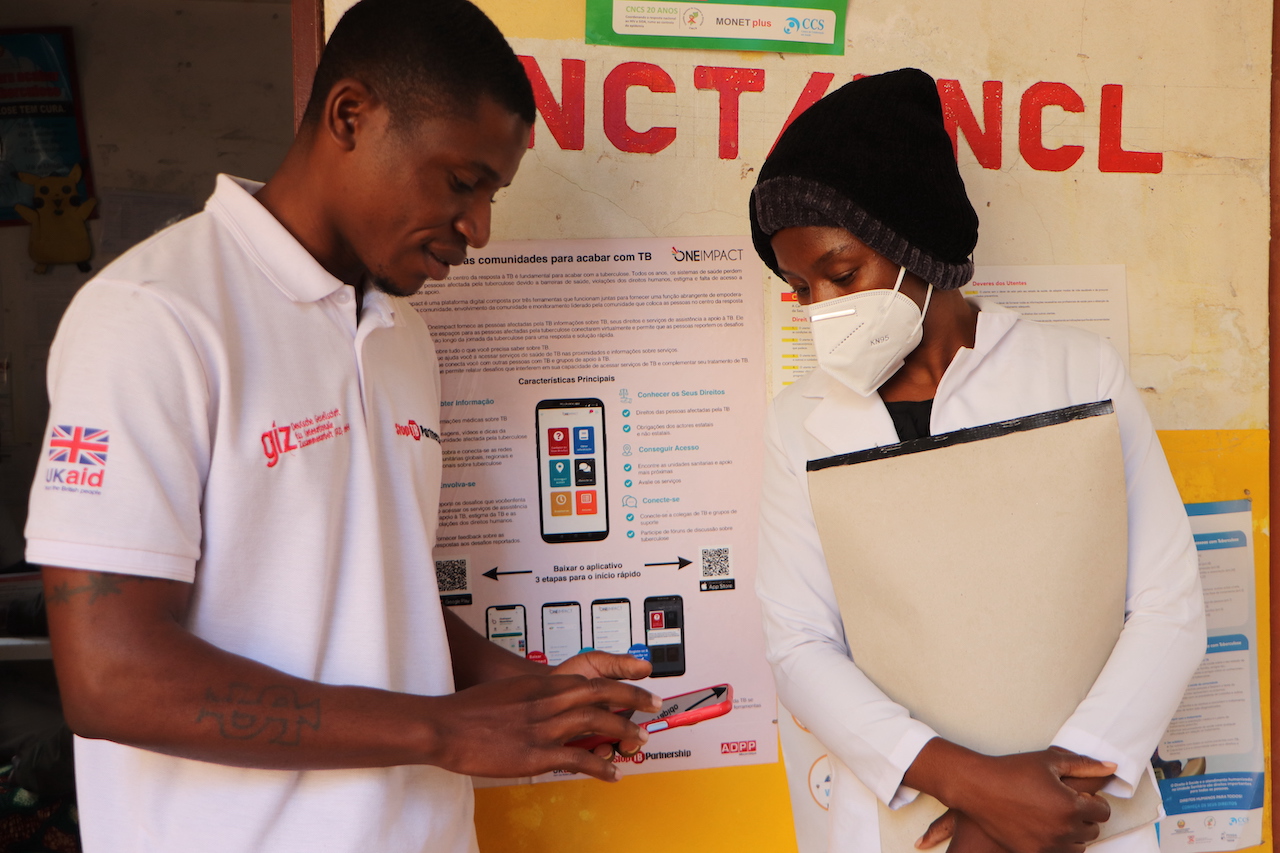
Over the past two years, 15,900 people used OneImpact, a community-led monitoring tool implemented in partnership with the Stop TB Partnership, to report barriers to TB care in Mozambique. Most users lived in rural areas, and the platform improved communication, access to services, and treatment adherence. OneImpact demonstrated that technology alone cannot end TB. It works only when combined with human connection, local leadership, and community advocacy.
Between October 2025 and January 2026, the Challenge Facility for Civil Society project was built on this foundation in the Marracuene and Matola districts. People affected by TB could share their experiences in real time through OneImpact. During these four months, 239 people reported 272 barriers to care, including 97 drug stock-outs that affected patients with drug-resistant TB. Over 6,000 people participated in TB literacy sessions, learning about prevention, treatment adherence, and stigma reduction. At the same time, 420 individuals with DR-TB joined Survivor Clubs, peer networks that offered psychosocial support and guidance to navigate long and complex treatment regimens.
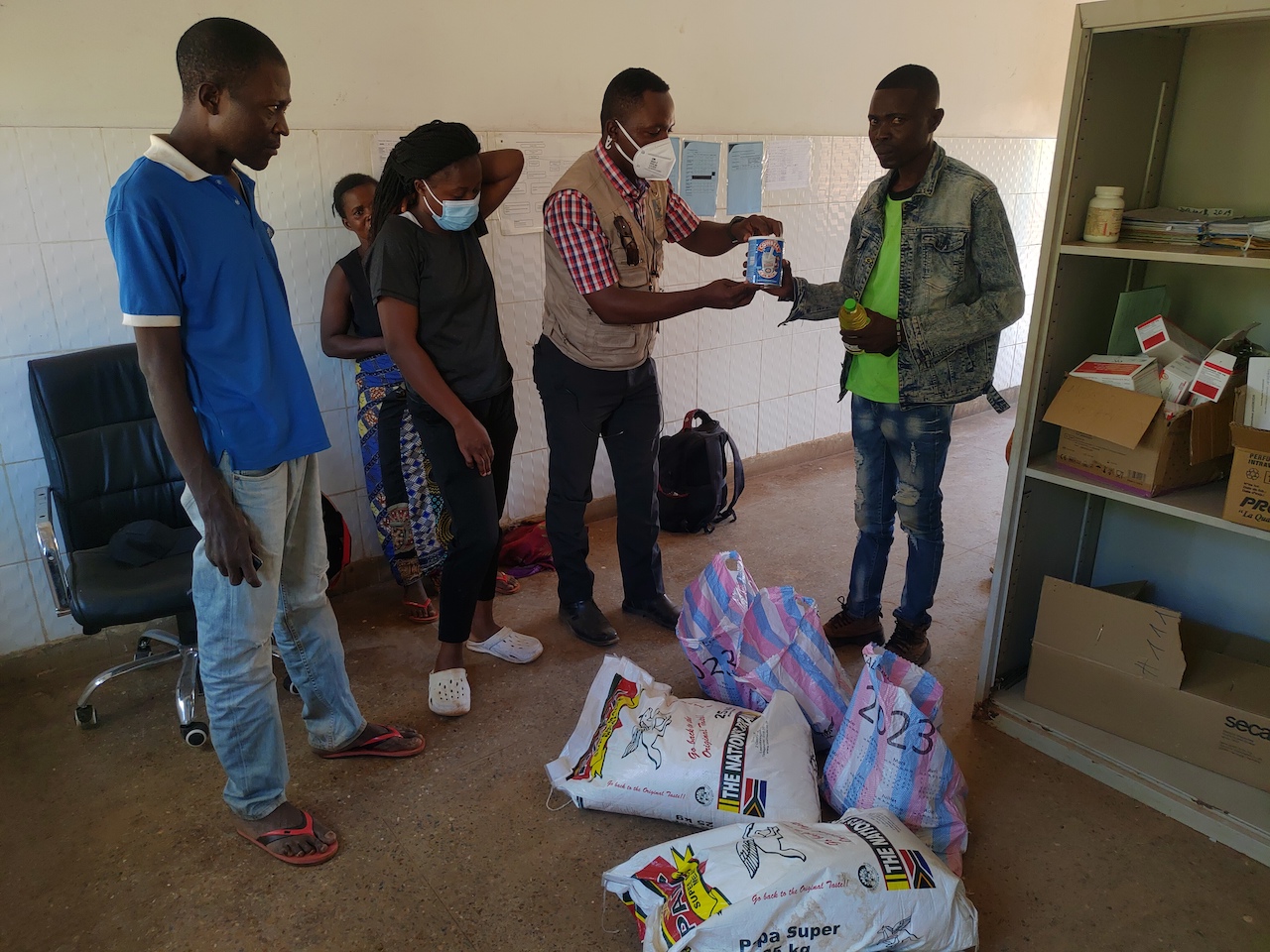
Human stories bring these numbers to life, such as Ajape Jussa, who almost abandoned his treatment after being rejected by his family. With support from trained community activists and his peers in the Survivor Club, he received counselling, re-engaged his family, and completed his therapy. Ajape’s journey shows that stigma is not just a social issue; it is a clinical barrier and directly affects treatment outcomes. Listening to and supporting communities can save lives.
The project also achieved lasting systemic change. The National Tuberculosis Program formally endorsed community-led monitoring indicators, including those specific to drug-resistant TB. Community-generated, geo-referenced data allowed health authorities to respond quickly. Every patient affected by drug stock-outs received medication within seven days. This demonstrates the power of documenting barriers, acting on data, and trusting communities to lead the response.
Ending TB requires more than medicines. It requires partnership, sustained investment, and respect for the knowledge of those most affected. Global donors can help accelerate impact by funding locally led initiatives, supporting community health workers, and expanding digital and peer-based interventions that empower patients. When communities lead, technology is meant to support human connection, and when employed in the way we have with OneImpact, treatment adherence improves and health systems become more accountable.
This World Tuberculosis Day, we must remember that yes, we can end TB, but only if we document barriers, listen to the affected, and act together. By combining human insight, innovation, and cross-sector collaboration, we can turn fear into adherence, isolation into support, and commitments into life-saving outcomes.

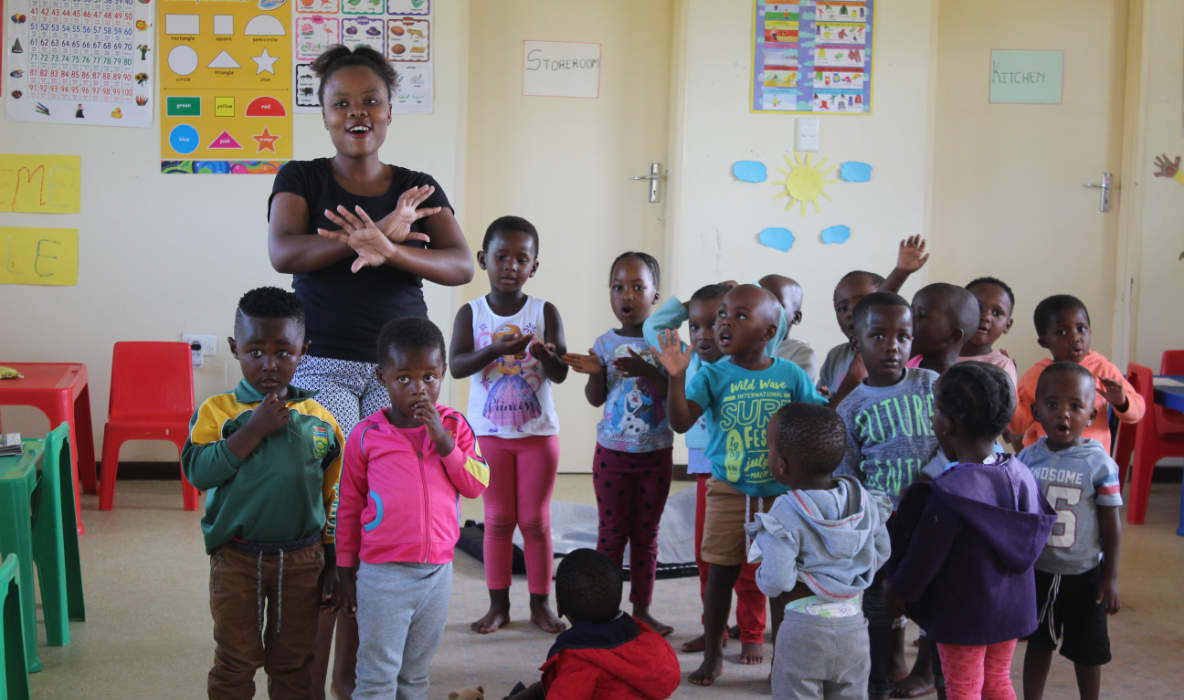
For over 30 years, Humana People to People in South Africa (HPPSA) has been a driving force for positive change. Established in 1995. We have worked tirelessly to tackle the most pressing challenges faced by underprivileged communities and we are a proud member of the international Humana People to People Movement. Our journey began in Soweto, and today, our work aligns directly with the Sustainable Development Goals (SDGs) and South Africa's National Development Plan (NDP). Our mission is clear: our mission is to empower communities and their people.
Thank you for considering a donation to HPPSA in support of our work in South Africa.
Please take a moment to read our Donations Policy Then, enter your desired amount below and click on the Donate button to proceed.
Enter an amount